 Linux may be associated with sunlight-avoiding, beardy computer ‘enthusiasts’ pottering in sheds, but the popularity of its mobile phone version is predicted to soar.
Although Linux take-up has traditionally trailed miles behind Symbian – currently the head honchos of mobile OS platforms hogging around 60 per cent of the market share – research firm ABI thinks things are about to change.
They reckon that the number of mobile phones purring along on Linux is about to skyrocket from the current tally of 8.1 million phones to more than 200 million by 2012.
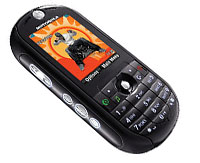 ABI also predicts that handsets incorporating the open source Linux as a real-time operating system (RTOS) replacement will also grow massively, leaping up from a base of just about zero today to 76 million units in 2012.
Stuart Carlaw, research director at ABI reckoned that Linux’s growth will be down to a number of factors; the breaking down of barriers for adoption, more industry bodies working to promote the OS (including Motorola, NEC, Panasonic and Samsung) and the ease in which phone makers and mobile operators can customise their handsets.
The new report by ABI Research, “Mobile Linux: Bringing License-Free Operating Systems to Smartphones and Mid-Tier Devices”, concludes that “Linux in the cellular phone is not a question of ‘if’, but ‘when’.”
Elsewhere, The Linux Foundation has announced an update of the Linux Standard Base (LSB) and the release of a new testing toolkit, which can be found here: www.linux-foundation.org/en/LSB
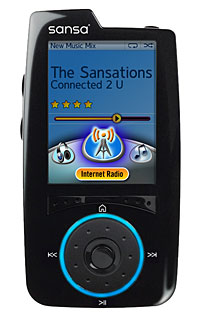 After connecting the Sansa Connect media player to the Internet via Wi-Fi, users will be able to listen to LAUNCHcast Internet radio, rummage through Flickr photos and check out what Yahoo Messenger friends and nearby Sansa Connect owners are grooving to.
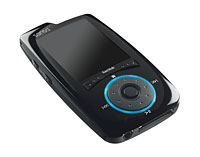 “We see this as a very strong partnership with Yahoo,” purred top SanDisk marketing bod Eric Bone, adding that he saw his company progressing from “fast-follower mode to a technical-leadership mode” in a market still dominated by the ubiquitous iPod.
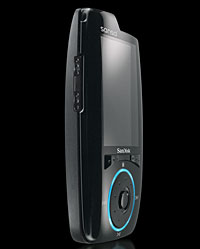 As well as wirelessly connecting to Yahoo’s Music service, the Connect supports MP3s and DRM WMAs provided by other services like Rhapsody, but you’ll have to get out Ye Olde cable to transfer the music from your desktop.
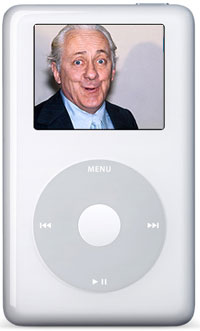 Yesterday, Apple announced that it had shifted its 100 millionth iPod, making it the fastest selling music player in the history of the known universe and quite possibly beyond.
 Never one to knowingly underhype his own products, Jobs continued; “iPod has helped millions of people around the world rekindle their passion for music, and we’re thrilled to be a part of that.”
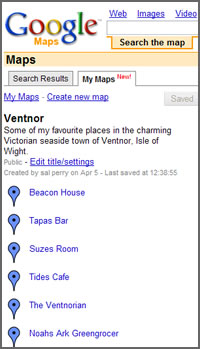 Google Maps has wowed people ever since it moved to the Web from the standalone Google Earth application, letting anyone with a Web browser take a look at both the maps and satellite images of anywhere in the world.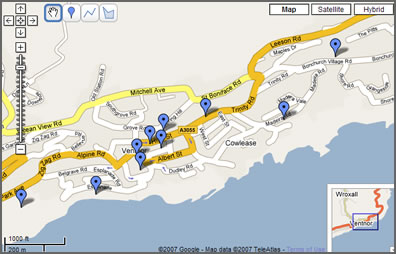

 Early pre-UK-release signs weren’t promising, nor were they looking any better when the UK PS3 was selling for £100 under their release price, a couple of days beforehand.
 25 years! Staggering how old the industry is now isn’t it?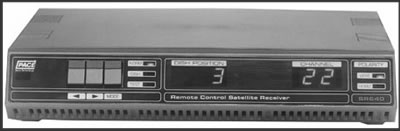
 Our Sister site, Ventnor-Blog, has been
 Photographers looking for a simple and effective way to quickly frame shots might like to swivel their snapping eyes in the direction of the Ikodot.
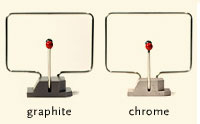 The user lines up the two balls to frame a photograph, with the lens coverage dictated by how close the finder is to your face.
 The Ikodot also offers advantages for four-eyed photographers who perhaps find it hard to focus on a LCD screen or get close up to an optical viewfinder. It’s a shame that the finder can’t fold flat when not in use though.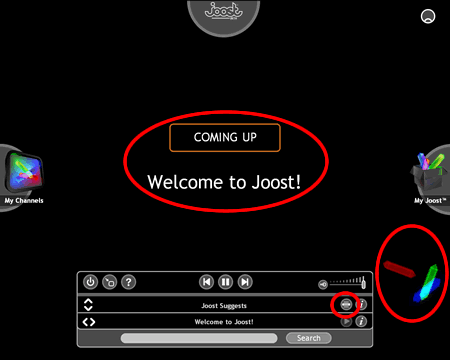
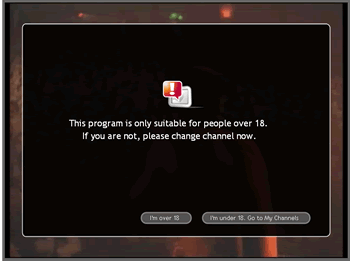 Those of you who have been watching the development of Joost, will notice that the adverts are getting just a little bit longer and more corporate. The latest addition appears to be an advert for IBM notebooks, while it is visually interesting (for the first viewing), it’s hardly cutting edge funk-ville.
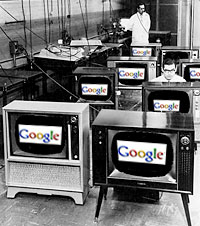 The company is set to unveil deals today with satellite TV service EchoStar Communications and Astound Cable in the US to broker commercials in a similar way to how it offers online advertising.
 During the television pilot, Google will serve commercials to EchoStar’s Dish Network satellite channels, a US service which enjoys around 13.1 million subscribers. The adverts won’t look any different to regular ones, carrying no Google branding and appearing in the usual time slots.