 palmOne transmogrifies into Palm, Inc today, following an announcement on May 24 that the company had acquired unencumbered rights to the Palm brand after buying out the share of the brand formerly controlled by PalmSource, Inc.
“I’m confident we’ll build our momentum even faster now that we can use the same term consumers and business people have always used for our products – PALM,” frothed Ed Colligan, Palm president and CEO.
“And while a lot has changed – our name, ticker, logo and headquarters – our vision remains the same. We believe the future of personal computing is ‘mobile computing,’ and we aim to deliver superior hardware and software solutions so that we can continue to set the bar in the industry.”
Clearly dizzy after overdoing the double Caramel Macchiatos, Palm talks lovingly about its new logo, claiming that it “builds upon the strong brand equity already established in the former blue Palm circular medallion, but the updated typeface suggests the trend toward digital content and an orange gradated background evokes energy.”
Page Murray, Palm vice president of marketing, was also in a state of ecstasy over the new design: “Our new logo takes advantage of the high brand awareness we’ve built over time through award-winning and commercially successful handheld computers and smartphones,”
Getting carried away on a wave of hyperbole, Murray waxed lyrical about the new logo: “It balances the past with the future, and signals to customers that they can expect to see a lot more of the name ‘Palm’ going forward in exciting mobile-computing products.”
 Palm have a bit of a history with faffing about with their name. palmOne was created in October 2003 when the earlier Palm, Inc. spun off PalmSource and acquired Handspring, Inc.
The Palm brand was then shared between palmOne and PalmSource, but Palm claim that customers have come to identify the name Palm more with physical products than with the operating system that powers it.
We wish that they’d spend less time messing about with pretty logo redesigns, and got around to doing something useful – like creating the Wi-Fi drivers for the Treo phone promised months ago.
We wrote to them two months ago asking for a Palm Treo 650 to review and for information about the Wi-Fi drivers.
We’re still waiting for a reply.
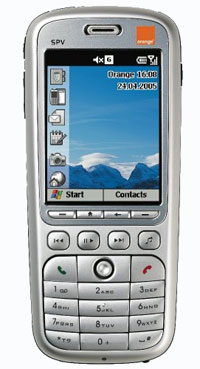 It’s been a long time coming, but Orange have finally announced that their Windows Mobile-powered SPV C550 smartphone will go on sale later this month
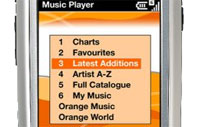 Songs downloaded through the phone’s Music Player software are DRM-protected, although the built in Fireplayer application will let punters remix their fave tunes into ringtones.
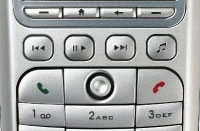 Matthew Kirk, Director of Devices at Orange was ready and willing to spin out the PR schmooze: “Since the launch of the first SPV handset three years ago, Orange has led the development of smartphones and provided its customers with a choice of the latest and most powerful devices. The Orange SPV C500 was the world’s smallest smartphone and today its successor provides the first realistic alternative to carrying around a separate MP3 player, phone and PDA.”
 Apple and the Sundance Channel have signed a deal that will make content from the cable network exclusively available as podcast downloads from the Apple iTunes Web site next month, according to AdAge.
 One of the first iTunes podcast features scheduled for download from the Sundance Channel will be The Al Franken Show who is, apparently, an Air America talk show host.
 The feature in AdAge also reports that Sundance will receive Apple’s post-production editing equipment and expertise as part of the barter deal, with the two companies likely to collaborate on the Apple retail level in the future.
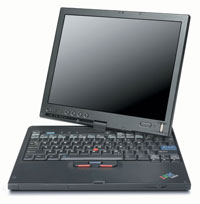 The Lenovo Group has officially announced the first ever ThinkPad tablet, the ThinkPad X41.
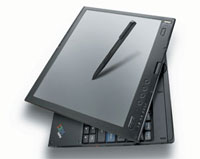 The growth of Tablet PCs – once described as the future of mobile computing by Microsoft – has so far been slow, with total sales only representing a tiny fraction of the PC market.
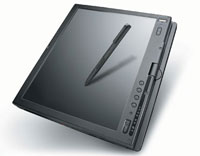 The anti-reflective and anti-glare screen claims to provide 170-degree viewing, and an optional integrated fingerprint reader offers extra security for the terminally paranoid and distrustful.
 Games:
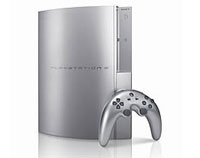
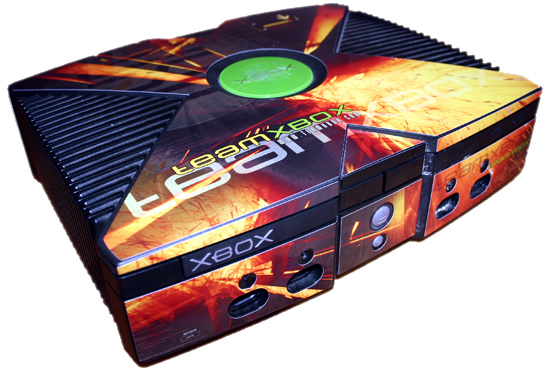 I don’t currently own an Xbox, but I have been quite a fan of Sony’s Playstation for a while: I had two of the original Playstations, PS1 and PS2 for various reasons. You might’ve thought that I would’ve been looking forward to the
  Real Networks is looking to up-end Apple’s iTunes store and nobble Napster To Go by launching a new music subscription services for portables music players.
 Rhapsody 25 is the entry-level standard service which is completely free to use. It’s being supported by advertising, initially Chrysler and is designed to tempt people to subscribe. It allows anyone who downloads Rhapsody’s Windows-based jukebox software to listen to 25 songs for free each month from Rhapsody’s library, with the option to purchase and download songs a la carte. There will also be 25 ad-free radio stations available.
 It’s been likened to having your CD collection on permanent hire purchase – once you lapse on your payments, you can kiss goodbye to your tunes. To old-school music fans, not owning your precious sounds is a bonkers proposition, but both Real and Napster believe there’s a market for subscription-based music downloads, with punters excited by the promise of filling an entire iPod for less than the price of two CDs.
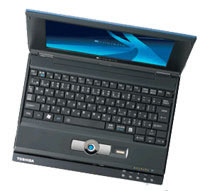 As part of Toshiba’s 20th anniversary celebration of the first laptop computer, the company has brought back its libretto line of ultraportables, starting with the miniscule U100.
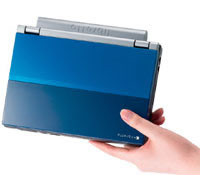 For maximum security, the pint-sized palmtop wedges in a biometric, integrated fingerprint reader with the 60 GB hard drive being protected by Toshiba’s ‘EasyGuard’ technology.
 Measuring in at a humble 8.3 x 6.5 x 1.2 inches, the libretto U100 retails for US$1,999 (£1,045/€1,500) in the US, with a possibility of a European release this summer.
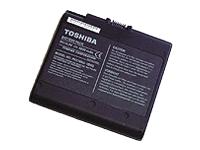 Toshiba has developed a super-fast Lithium-Ion battery capable of being charged to 80 per cent of its full capacity in under 60 seconds. According to the company, a full charge takes just “a few more minutes”.
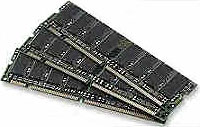 The 512Mb XDR (extreme data rate) DRAM chips run at a turbo-charged speed of 4.8GHz, which is about 12 times faster than that of the memory typically found in today’s desktop PCs.
 Microsoft has launched MSN Video Downloads, a spanking new mobile service that will provide daily television programming for downloading to Windows Mobile devices, such as Portable Media Centers, Smartphones and Pocket PCs.
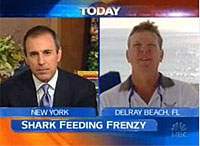 The video content is compliant with ‘PlaysForSure’ video devices, and is optimised for Portable Media Centers and compatible with Smartphones and Pocket PCs that support Windows Media Player 10 Mobile.
 “With content from some of the most recognized brands in entertainment, MSN Video Downloads helps bring this vision to life, allowing people to take their favourite television shows with them whether they are on the train, waiting for a doctor’s appointment, or keeping the kids occupied in the back seat of the car.”
 All music videos on the site will be made available in multiple formats for playing on traditional PCs, laptops and Microsoft’s Windows Mobile-based secure devices including the Portable Media Centers, Pocket PCs and select Smartphones.
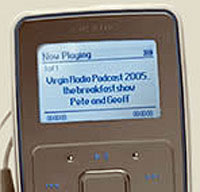 Virgin Radio is making highlights of its breakfast show available for digital audio players like the iPod, in what it claims is a first for “podcasting”.
 The BBC has already been experimenting with the new audio distribution model, introducing weekly podcasts of Five Live’s weekly sports quiz Fighting Talk after a successful trial using Melvyn Bragg’s ‘In Our Time’ series on Radio 4, downloaded by more than 70,000 users.
 Although the format is already creating a few podcasting stars, it has to be said that most of the thousands of personal radio broadcasts currently available to download are home-made, rough-edged, and, frankly, pretty crap.