 A report from consultancy firm BroadGroup has revealed that the deployment of wireless hotspots in Europe have soared by 67 percent in the six months up to May 2005.
BroadGroup’s research surveyed 122 service providers in 29 countries with the UK triumphing as the hotshot hotspot of Europe, impressively boasting 34 percent of all Wi-Fi hotspots in Europe.
Wi-Fi growth has been spurred on by steadily falling access charges – albeit slowly.
Weekly subscription packages have plummeted at the fastest rate, falling over 62 percent in the first half of this year.
The study discovered that the vast majority of Wi-Fi access is bought on a pay-as-you-go basis rather than via a regular contract, with only a measly 10 percent of all access being through pre-pay deals.
 As many a disgruntled transatlantic traveller may tell you, Wi-Fi access in Europe still remains considerably more pricey than the US market, although the report suggests that “price declines are continuing to trend downwards” (I think this means, “prices are going down”).
As the wireless revolution continues, other services designed for mobile workforces are also set to increase.
Industry analysts Berg Insight have predicted that mobile location-based services (LBS) will be worth € 274 million (~US$331 ~ £189) this year, with sales set for super soar-away growth as operators pile on more data-based services.
Some operators are already keen to exploit the burgeoning LBS market, with Vodafone recently introducing their Vodafone Navigator service, turning mobiles into GPS location devices with mapping technology.
A growing demand for fleet management and monitoring dispersed workforces is also expected to boost global LBS take-up.
 With a survey that could be described as pointless fluff at best and patronising drivel at worst, Vodafone D2 have trotted out the details of their ‘Women and Mobile Phones’ market research survey.
 Neatly half of women use the camera on their phone with 37 percent of respondents citing the provision of Bluetooth for wireless data transfer as important.
 Us in UK-land have long been fans of SMS messaging, with button-pushing Brits banging out 3 million text messages every hour, with 2.5 billions text being sent in January 2005 alone.
 GSM operator T-Mobile was particularly chuffed with its performance as its customers belted out a total of 3.6 billion messages during Q1 2005 – that works out at around 67 texts per subscription per month.
 Cashpoint network The Link and IT bods Morse and have got together to launch a mobile banking service across the UK.
 Plans are afoot to extend the service to facilitate mobile payments direct from mobiles with customers being able to pay for items such as tube tickets and parking meters.
 First Direct’s text messaging banking alert service has already proved a hit with their customers with 400,000 of its 1.2 million customers receiving balance statements by SMS.
 Boingo Wireless and Skype have fluttered eyelids at each other, gone for a quiet snog and, ruddy faced, jointly announced Skype Zones, a partnership that offers global Wi-Fi access to Skype customers at (ahem) “revolutionary” prices.
 Fluffing up the big pink cushions of corporate love, Niklas Zennstrom, Skype CEO purred passionately about his new partner: “Boingo is a world-class company that offers Skype users unprecedented global communications mobility and accessibility, at an aggressive, market disrupting price.”
 Monthly access to Skype Zones is $7.95 per month for unlimited Skype access or $2.95 (~€2.42~£1.66) for a 2-hour connection.
 The growth of photo and video-capable phones has resulted in news agencies sourcing more and more content from members of the public who have used their mobiles to record disaster scenes.
 Jonathan Klein, CNN’s U.S. chief believes this “citizen journalism” will become a more important part of coverage in major news events. “No question about it,” he said. “There’s been a lot of talk in terms of the increased democratization of the news media relating to blogs and the like. This is another example of the citizen journalist.”
 The Apple rumour mill has been cranking into overdrive over the weekend after Forbes reported that the company may be considering becoming a mobile phone operator.
 However, a report in the Sunday Telegraph yesterday claimed that Motorola will finally “unveil the first fruits of its partnership with Apple next month with the launch of its iTunes mobile phone at the V Festival.” The festival runs from 20th to 21st August 2005.
 Mobile phone networks in London were overwhelmed for several hours following a series of terrorist blasts across central London.
 As with 9/11, many people turned to the Web for news and updates, resulting in major news sites struggling with the enormous surge in traffic.
 Consumer demand for mobile downloads is going bonkers, according to research by LogicaCMG.
 Globally, subscribers just lurve downloading ring tones, games and music, with news and sports also gaining a growing audience in Europe.
 Mobile phone users are starting to experiment with their phones’ capabilities but, drawing a parallel with the popular SMS experience, it is clear that the service needs to be simple, safe and intuitive from initial browsing through to payment and download.
 US police have arrested a Florida man for gaining illegal access on a domestic wireless Internet network.
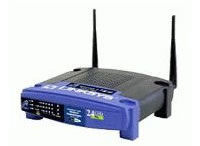 There’s not much harm in that, but the newspaper report points out the darker side of Wi-Fi pilfering, with criminals using the unsecured networks to traffic in child pornography, steal credit card information and even send death threats.