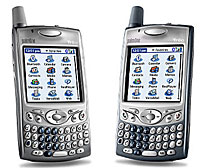
 To the sound of a thousand wailing Palm Pilots, Palm has unveiled a version of the classic Treo smartphone running on Windows Mobile 5.0.
Possibly called the Treo 700w (or maybe the Treo 670 – details are scarce!), the new phone will initially only be available from Verizon Wireless, running on the carrier’s EV-DO broadband network.
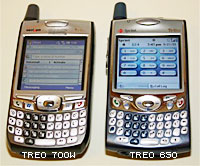
A series of ‘first look’ photos on Engadget shows the new Treo to be slightly narrower than the Treo 650, but at the cost of what looks like a smaller 240×240 pixel display, instead of the usual 320×320.
Confirmed specs include Windows Mobile 5.0, a one megapixel camera, EV-DO, Bluetooth and 64MB of memory.
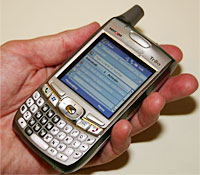 Palm users still waiting for the Wi-Fi card categorically promised at the Treo 650 UK launch in April will be mightily miffed to learn that a SD Wi-Fi card worked straight out of the box with the Windows Treo – a classic example perhaps of why people are leaving the Palm OS.
Formerly bitter rivals, Palm and Microsoft’s collaboration looks to add the security and functionality of Microsoft’s new Window Mobile 5.0 OS to the solid and well-respected Palm Treo 600/650 range.
Palm president and CEO Ed Colligan called the Windows Treo an “historic” product, adding, “We’ve long believed that the future of personal computing is mobile computing, and our collaboration with Microsoft is an historic step in delivering that vision to a larger market.”
Already, pundits are suggesting that the introduction of the Windows Treo marks the end of the Palm OS Platform, still reeling from the withdrawal of the technically groundbreaking Sony Clie range.
 Carmi Levy, Senior Research Analyst at Info-Tech Research Group commented that the new Treo signals a massive shift in the handheld/smartphone market, adding that “when viewed in conjunction with the sale of PalmSource earlier this month, it’s an acceleration in the demise of the Palm OS platform and final confirmation that its once-dominant position in the broader handheld market is gone for good.
“As popular as Palm has traditionally been with end-users, it has always been a marginal corporate player,” continued Levy.
The Palm OS has traditionally lacked robust corporate security features, making the Windows Mobile platform more attractive to corporate IT departments.
What Microsoft has lacked, however, is a killer piece of hardware, something they’re likely to now have with a Windows Mobile-based Treo.
 There’s been no release date set for the Windows-based Treo yet, but it is expected to be available “very early” in 2006.
Palm plans to bring the Windows Treo to other wireless carriers in the second half of 2006, including GSM/GPRS carriers in Europe and Asia.
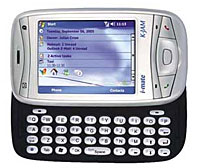 Building on the success of their hugely popular JAM phone, i-mate have announced the new K-JAM smartphone/PDA.
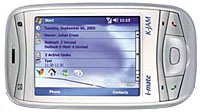 The display comes in the form of a 2.8″ QVGA (240 x 320 pixels) 64k Transflective screen, and the device runs on the latest Windows Mobile 5.0 OS.
 The phone offers support for a wide range of music formats, and claims 10 hours running time in PDA mode and 4-5 hours talk time.
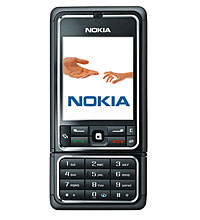 Finnish mobile giants Nokia have come up with the Nokia 3250, a new music-driven mobile phone featuring dedicated music keys and storage for up to 750 songs.
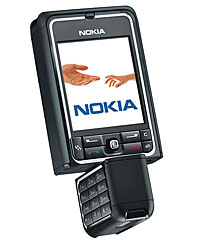 Songs can be converted from CD and transferred from home PCs using the “drag and drop” Nokia Audio Manager software.
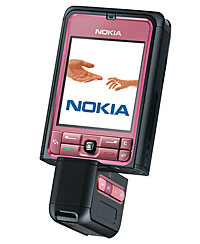 “Nokia connects people to their passions – music – and as the world’s largest manufacturer of digital music players, Nokia is leading the charge to make mobile music widely accessible. The XpressMusic feature brand, also introduced today, makes it easier for consumers to identify those Nokia devices which are specifically designed to listen to music,” purred Kai Öistämö, Senior Vice President, Mobile Phones, Nokia.
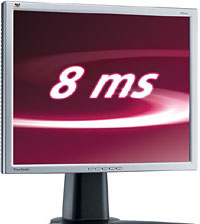 The trouble with CRT monitors is that they often go fuzzy at such a leisurely rate that you don’t notice the deterioration, but find yourself slowly sitting closer and closer to the screen.
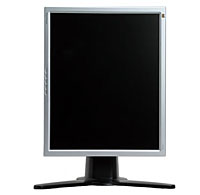
 Height, pivot, tilt and swivel could all be adjusted effortlessly, so it’s easy to shimmy monitors into the exact desired position – particularly useful if you’re arranging a multi-screen set up.
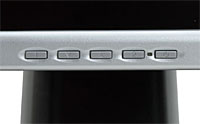
 The front panel sports five small buttons – four for monitor adjustments and the fifth for turning the monitor on/off.
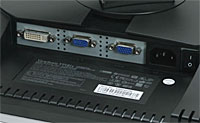 The 800:1 contrast ratio and 250 cd/m² brightness on offer served up vibrant and colourful images – in fact, we had to turn the monitor down from its default 100% brightness setting for fear of being permanently dazzled.

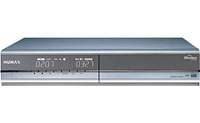 Humax have dished out detailed information about their new dual-tuner, Freeview-enabled PVR, the PVR-9200T.
 Receiving and recording of pay TV channels is possible through a special CA module.
 There’s also a handy USB2.0 port provided for MPEG A/V file transfers between the Duovisio and a PC, letting users play back their digital photos or listen to MP3 files downloaded from a PC.
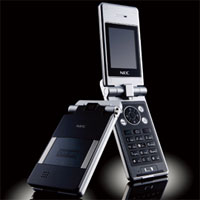 NEC ruled the early days of mobile phone, now with a battle cry of “Thin Is In!” NEC are waving their technological prowess around to the world with the launch of the world’s thinnest foldaway mobile phone.
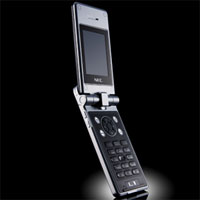 The clever boffins at NEC have also managed to wedge in PictBridge support, MP3 playback, Java and Bluetooth connectivity.
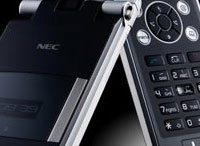 “We will continue to strive to offer the latest, most innovative and most attractive mobile terminal solutions on the market. Boasting compact shape and the latest technologies, our phones allow our customers to choose the right phone for their individual needs in all of our target markets across the globe,” he continued, while laughing at the bulky dimensions of a nearby Motorola RAZR phone.
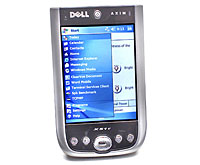 Dell has announced three updates to its popular Axim PDA series, headed up by the powerful, VGA-enabled X51v.
 One big difference from previous models is the use of non-volatile memory, which means that the new Axim X51v uses RAM exclusively for running programs and stores all programs and data in flash.
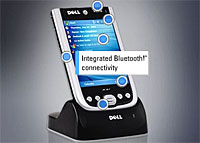 Connectivity is taken care of with integrated Bluetooth 1.2 and Wi-Fi 802.11b support, with WPA and LEAP security for the latter.
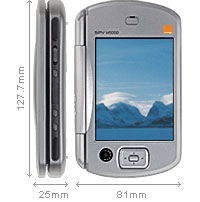 Orange has become the first UK operator to sell an own-brand Windows Mobile handset operating on 3G networks, with the launch of the SPV M5000 smartphone.
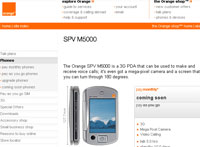 The silvery device stuffs in a loudspeaker and microphone for making conference calls, with a built-in modem and fax capability letting users blast off emails and check their appointments whilst making calls on the hands-free kit.
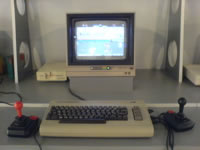
 Mention the name “Commodore” to old skool gamers of a certain age, and you might see a tear welling up in their eyes as they recall long, blissful hours playing Frontier Elite, Sensible Soccer and Lemmings on the legendary gaming platform.
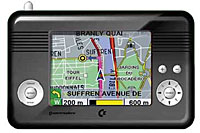
 Codenamed ‘The Navigator Combo’, the Windows CE-based handheld comes with a 30GB hard drive (preloaded with maps), a big 3.6in touch-screen display and an integrated GPS receiver, all packed into a refreshingly chunky case.
 Videos can also be downloaded from the Internet or transferred from PCs via USB 2.0, or stored on SD memory cards.
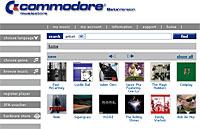
 The two companies presented a wide range of shiny new consumer electronic products for consumers and the retail market, including MP3/MP4-players, C64 gaming joysticks, multimedia download dispensers and home media centers.
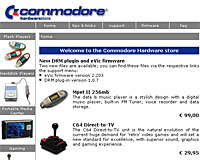 Building up to the required mutual backslap, he added, “Therefore the management of Yeahronimo and SupportPlus believe it is an obligation, when using the Commodore name, to continue offering the electronics consumer with products that have a high-quality and are attractive in price. SupportPlus already has showed they are an excellent partner in the historic re-launch of Commodore.”
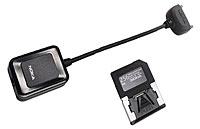
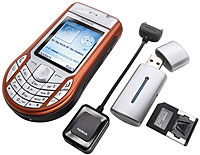 Acting like they’re fearful of not appearing hip to the mobile music revolution, Nokia have added their own rival to the Apple/Motorola ROKR and Sony Walkman phones, a special edition of the highly rated Nokia 6630 – despite having had music-playing on their phones for yonks.
 The phone comes in two colours – Aluminum Grey for hip, fast living, city slickers and Rustic Red for cow-bothering, straw chewing, country types.