 Real Networks is looking to up-end Apple’s iTunes store and nobble Napster To Go by launching a new music subscription services for portables music players.
The Seattle-based outfit, who are this month in their tenth year, is looking to extend its Rhapsody subscription music service, which currently lets home users and subscribers download as many tracks to their computers as they want for US$9.95 (£5.22/€7.66) a month.
The big shocker is that after years of scratching each other’s eyes out, Real has decided to license digital rights management (DRM) for their service from its once bitter rival, Microsoft.
The Microsoft software, code-named Janus, will disable songs from playing on devices once a customer stops paying the monthly fee.
The new music service comes in three flavours: Rhapsody 25, Rhapsody To Go, and Rhapsody Unlimited.
 Rhapsody 25 is the entry-level standard service which is completely free to use. It’s being supported by advertising, initially Chrysler and is designed to tempt people to subscribe. It allows anyone who downloads Rhapsody’s Windows-based jukebox software to listen to 25 songs for free each month from Rhapsody’s library, with the option to purchase and download songs a la carte. There will also be 25 ad-free radio stations available.
Users of this freebie will also be able to share their selected music with others, even non-subscribers. When the generated email arrives, access to the DRM-controlled content is made, downloading them the software if they don’t already have it. Real hope they will benefit from the network viral effect.
The Unlimited deal is pretty much what is currently offered, provides a subscription-based service that costs US$9.99 per month, giving users access to 100 pre-programmed Internet radio stations, 50,000 “artist-based” radio stations and more than 1,500 music videos online. A few bells and whistles have also been added.
Subscribers can download an unlimited number of songs to their computer’s hard drive and these remain playable for as long as they remain subscribers.
Rhapsody To Go offers a near-identical subscription-based deal as Napster To Go, letting users download a near-unlimited amount of music to compatible portable music players. The price is identical to Napster’s offering too at US$14.95 (£7.85/€11.52) per month.
That’s all fine and dandy while they’re shelling out the cash, but as soon as a subscription ends – whoosh! – there goes their music collection, as every song they’ve downloaded is automatically rendered unplayable.
 It’s been likened to having your CD collection on permanent hire purchase – once you lapse on your payments, you can kiss goodbye to your tunes. To old-school music fans, not owning your precious sounds is a bonkers proposition, but both Real and Napster believe there’s a market for subscription-based music downloads, with punters excited by the promise of filling an entire iPod for less than the price of two CDs.
The MS Janus DRM protection demands compatible portable music players, ones that turn the content off if the subscription lapses. Currently there are two favorites, the Zen Micro and iRiver H10. To further induce subscribers to the To Go service, Real are offering a US$100 (€77/£52) rebate on the H10 for a limited period.
According to recent estimates, the subscription market – comprised of Real’s Rhapsody, Napster and Yahoo’s MusicMatch service – is reckoned to generate about US$200 million in 2005 sales. Indeed Real announced they had passed one million subscribers last week.
By comparison, the digital music downloading business made popular by Apple’s iTunes service, is expected to rake in around US$350 million in 2005 revenue, according to Phil Leigh, an analyst at market research firm Inside Digital Media.
Real Rhapsody
Watch Real CEO, Rob Glaser introduce the new Rhapsody
 AbbiTalk, a West Sussex-based provider of Voice Over IP (VoIP) telephony services, is talking tough about its cut-rate broadband call packages, that offer customers extra telephone lines with discount local and UK call charges and no line rental.
 Prices start at £149 for “AbbiTalkBasicOne”, which provides one extra phone line, a unique number with Pre Pay phone account, an adaptor and a DECT digital cordless phone with digital answering machine.
 No line rental is charged and there’s no need to use a computer to make the calls as these are accomplished through the standard cordless handsets.
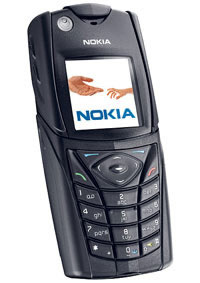 Sweatband-toting sporty types will be pleased to learn that Nokia has introduced a new handset for active-minded consumers, the Nokia 5140i camera phone.
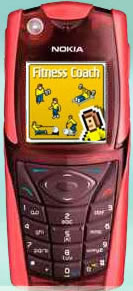 Water-bottle clutching joggers will appreciate the ‘Fitness Coach’ application, offering an ‘always-on’ personal trainer that (apparently) “encourages users to go the extra mile or finish the last set.”
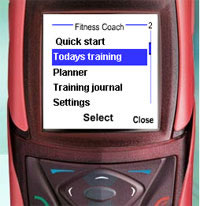 The phone also includes the
  BBCi has launched a programming service for digital satellite viewers showcasing short films made by ordinary folk across the UK.
 Video Nation broke new ground when it first hit UK TV screens – running in short slots dropped in to the programming schedule.
 Content on the ‘Your Stories’ service is divided into daily themes, each with its own title. “My Music”, for example, featured an eight-year-old trumpet player and a blind pianist.
 BBCi controller, Rahul Chakkara, explained the reasoning behind Your Stories service: “The BBCi audience is maturing, and is looking for content that is social and highly involving, available to them whenever they want.”
 In an astonishing volte-face, Sony Online Entertainment (SOE) has announced that it now endorses the auctioning of virtual items from its massively popular online game, Everquest II – with the electronics giant pocketing a cut of the cash, naturally.
 Personally, we’d rather buy a round of lovely real ale than shell out for the Dark Lord of Deltronia’s Mystical Turbo Sword of Mwegneli, but as we’ve reported before (
 “There already is a ‘virtual class system’ within the game itself – you earn status and faction standing, money, prestige, titles, fancy clothes and transport, you start living in a hovel but can move on up to luxury apartments etc – But at least till now you could assume that most people had ‘earned’ those things by playing the game.
 “I’m not sure of the mechanics in EQII, but in WoW (World of Warcraft) they have mitigated the potential for selling items somewhat by introducing the concept of having things bind to that character when it is picked up, meaning you can’t transfer items to other players, hence no selling though eBay and the like.”
 For some gamers, an officially sanctioned auction site is an inevitable consequence of the growing popularity of virtual gaming, with Sony’s cut, a reasonable price to pay for eliminating a lot of scams.
 Over here in Digital-Lifestyles land, we’re always getting our ears bent by some PR-type banging on about how mobile TV is going to be “the next big app” to hit handsets.
 M1 and its partners plan to knock out dramas with a specific mobile version, which will be different to the regular TV episodes, allowing viewers the choice of watching a broadcast TV version or an extension of the same show on mobile.
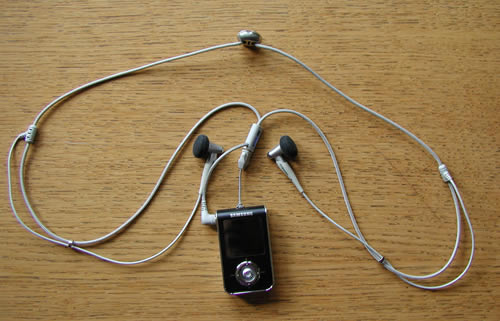
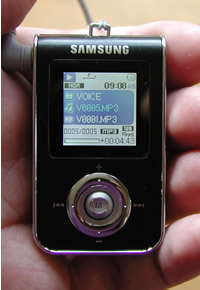 Samsung have made their intentions clear. They want to be the number one in portable music players.
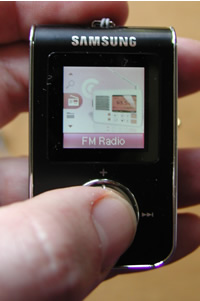 The potential of the 65k colour screen is well demonstrated by the graphically-rich menuing, but when you try to display photos and text files on it, its limitations are highlighted – it’s just too small, and when loading images, slow.
 Pro
Pro 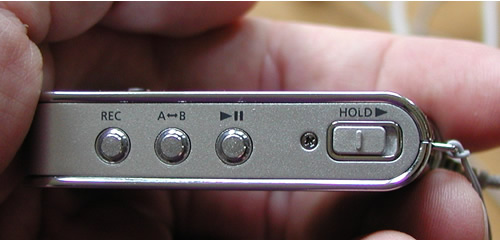

 Champagne corks were popping like manic machine gun fire at Google yesterday as the company reported a thumping fivefold increase in profits in the first quarter.
 Revenues generated from Google’s partner sites through its AdSense programs generated $584 million, or 47 percent of revenues, – a hefty 75 percent increase over partner-related revenues a year ago.
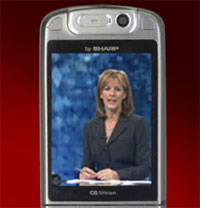 ITN is set to steal a march on its rivals by delivering up-to-the minute election analysis and comment through a partnership with Vodafone Live!
 Nicholas Wheeler, managing director of multimedia content at ITN, commented: “This is a new facility using mobile technology that was not available at the time of the last election.”
 Web search goliaths Google have delivered a large size nine up the rear end of their fierce rivals Yahoo by being the first to launch a local search service in Britain.
 “It’s the first time we’re bringing local search to a country outside North America,” said Kate Burns, ad sales and operations manager for Google in Britain, declining to give details about launches elsewhere in Europe.
 Global search advertising revenue is already sending cash tills into overdrive, with US investment bank Piper Jaffray estimating spending to rise to US$7.9 billion (£4.1BN/€6bn) in 2005 from US$5.5 billion (£4.1bn/€4.2bn) in 2004 – with most of the growth coming from international expansion and higher volume.