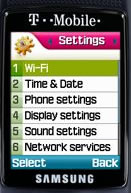
 Cellular phone provider T-Mobile US is offering a service, HotSpot @Home, giving unlimited calls to US phones via WiFi. This in itself isn’t big news, but what is significant is that callers leaving the range of the WiFi will automatically switch to their cellular service. Initial roll-out is limited to Seattle.
This type of service has been long-discussed, but several technical barriers stood in its way, primarily handing the call from the WiFi-connected call over to the cellular network, without losing the conversation, or a break in the speaking. It’s pretty complex.
Beyond the mechanics of the call hand-over, the riddle of when and how the subscriber would be billed when transferring to the cellular network – and stopping that billing when they reconnect to WiFi has also caused great confusion for a long time.
Cellular reception within peoples home is often pretty ropey, so using their WiFi service will give considerably better reception – making them happy bunnies.

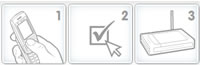
To use the service, three items are required – two pieces of hardware and a service plan. Once the special cellular/WiFi handset has been selected (which look surprisingly decent) and the Wireless hotspot router is installed on the home network, all that is required is the add-on ($19.95/month) on top of the normal $39.95.
The two handsets currently available are the Samsung T709 slider or the Nokia 6136 flip.
BT has been offering a similar service in the UK for a while under the product name BT Fusion. The difference with BT Fusion is it uses Bluetooth to handle the wireless calls at home rather than WiFi.
 T-Mobile is the mobile communications subsidiary of Deutsche Telekom, the German telco incumbent.
They have spent considerable effort over the recent years not only building and owning their cellular service, but doing the same with their WiFi network, clearly understanding early on that WiFi would be a significant threat to cellular services.
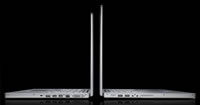 Apple has updated its whole MacBook Pro range of laptops to run Intel’s Core 2 Duo range of processors. They claim a 39% speed improvement.
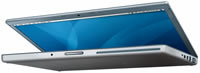 Those keen little things, who shelled out for them, might be a little down in the mouth to find a new, even whizzier version coming out.
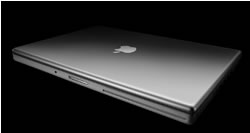 Pricing
 Coming straight from the you-must-be-having-a-laugh folder, news reaches us that the Los Angeles Scout group is introducing a new merit award — the Respecting Copyright Patch. We kid you not.
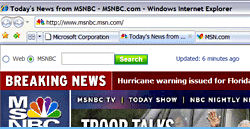 Microsoft have made their latest version of their Web browser, Internet Explorer 7, available for download.
 Feature Catchup
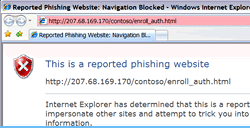 Phishing warning
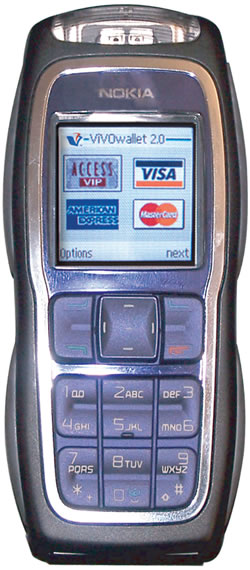 An NFC payment system is on trial in Amsterdam allowing people taking part to make purchases using their mobile phone.
 Approximately 100 selected JCB cardholders are now enjoying fast, easy, and convenient payments with Mobile J/Speedy at selected merchants, where they used to pay by cash.
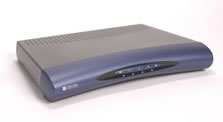 Over the last ten years, Motorola has moved from the first commercial digital STB to shipping fifty million digital STBs.
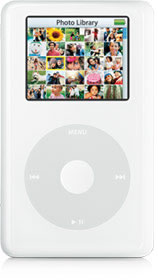 Apple has continued to increase the number of iPods they’re selling. Their latest quarterly results show that they grown the 8.11m iPods they sold in the previous quarter to 8.73m this quarter, beyond market expectations. The quarter that is reporting didn’t change or introduce any new iPods.
 Logitech has announced that it is buying Slim Devices for $10m cash plus a possible performance-based payment tied to certain revenue targets. The news came on the same day as their best-ever Q2 sales, which reached $502m.
 Orange and Microsoft have joined together to offer Instant Messaging (IM) connectivity between computers and mobile phones, claiming it’s a first.
 We’re a little puzzled by their uniqueness claim, “Orange and Microsoft today announced their first convergent Instant Messaging offering for PCs and mobile.” Given IM clients have been running on mobile phones for a while, how is this the first time?
 Sony and Sky are tying up to show the UK’s first HD advert tonight.
 Shot over 10 days and with a crew of 250 people, the paint was mixed on site by 20 people. The clear up took 5 days and 60 people.
 The launch of this first HD ad follows a major marketing agreement between Sky and Sony to promote HD.